Similar titles, different accountability
Both roles may lead skilled people and manage urgent work. The useful difference is not hierarchy on an organisation chart. It is where accountability sits during a normal week and during pressure.
A maintenance supervisor may be the person closest to the crew, work allocation, permits, handovers and immediate coordination. A maintenance manager may carry a wider responsibility for planning, people, contractors, budget input, asset priorities and the relationship with operations. Your site may use these titles differently. Make your own scope visible.
When supervision is the need
Consider a supervisor-focused brief where the team needs daily direction, a better handover rhythm or someone to coordinate work safely and clearly across a shift. The role may be hands-on, particularly in a smaller site, but candidates should know how much time is expected on tools versus leading work.
Describe direct reports, contractor coordination, roster coverage and who makes the final call when competing jobs arrive. If the supervisor must also plan all future work without support, say so plainly. Hiding this inside a generic job description creates disappointment on both sides.
When management is the need
A manager-focused brief may make sense when maintenance requires a wider operating system. That can include building a planning routine, agreeing priorities with production, reviewing recurring issues, developing supervisors and managing external providers. It can also include work that crosses shifts or departments.
Do not use “manager” to make a senior technician role sound more attractive. Candidates will assess the authority, team and decision rights behind the title. If responsibility is limited to one crew and one shift, a supervisor role with proper support may be the honest brief.
Map the hand-off between roles
Where both roles exist, write down the hand-off. A simple version could be: supervisor controls work today, makes the crew plan visible and escalates constraints; manager owns the planning process, resourcing choices and cross-functional priorities. The exact split will vary.
Then test it against a real example. A planned task is due, production has an urgent issue and a contractor has arrived. Who decides the order of work? Who informs production? Who reviews what happened after the shift? If the answer is unclear internally, it will be unclear to a new hire.
Interview for the actual level
For a supervisor, ask how they allocate work, conduct handovers and address missed standards. For a manager, ask how they have set priorities across teams, improved planning and coached other leaders. Both should be able to explain a difficult decision in concrete terms.
Use the same scorecard for each interview. Include relevant environment, leadership examples, planning habits, communication and fit with the roster and location. A scorecard protects against promoting the best storyteller over the best match.
Make the reporting line useful
State who each role reports to and how often they meet. A supervisor who cannot reach the manager when priorities change is left to absorb avoidable conflict. A manager who never hears what is happening on shift will make plans without the information needed to support them. A short, regular review can connect immediate work with longer-term decisions.
Candidates should also know how performance is discussed. Ask what reporting, meetings or records are already in place, and which are expected to improve after the hire. Clear routines help a new leader earn trust without arriving as the person who has every answer.
One industrial recycling rebuild involved both a maintenance manager and supervisor within eight hires completed over six months. It shows a possible team mix, not a prescribed structure. Read the case study and our maintenance manager hiring guide.
For help clarifying the role before you go to market, visit for clients or book a recruitment chat.
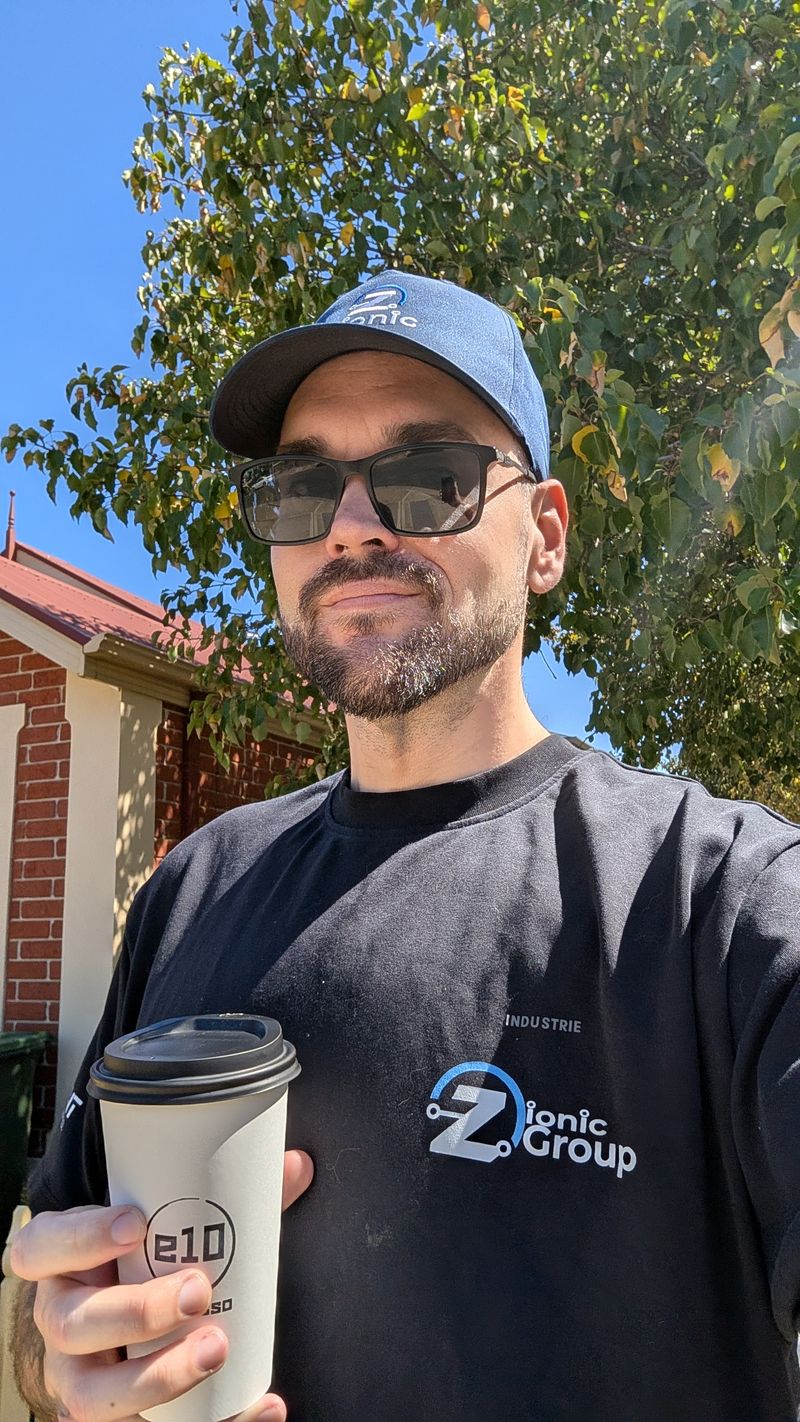
Daniel Bryant
Founder & CEO Daniel Bryant brings steelworks experience, agency recruitment and founder-led hiring across industrial manufacturing and commercial trades.
Meet Daniel