Start with the business problem
These titles can describe very different jobs. In one site, a production manager may own the daily plan, shift teams and output. In another, an operations manager may carry that work plus maintenance coordination, warehousing, customer commitments and site improvement. The title is less useful than the decisions the person must make.
Before advertising, write one sentence that names the problem. Examples: “Bring control to a second shift”, “make handovers between production and maintenance cleaner”, or “give a growing owner one accountable site leader”. That sentence should shape the search.
A practical distinction
A production manager is often closest to converting a plan into safe, consistent work on the floor. Their brief may include labour allocation, daily production meetings, quality checks, escalation of stoppages and coaching supervisors. They need to see what is happening now and deal with friction before it becomes lost time.
An operations manager may have a wider lens. Depending on your business, that could include production, maintenance planning, logistics, procurement, service levels, budget ownership and leadership of several functions. This is not a universal definition. Use it as a prompt to describe your site rather than a template to copy.
The key test is span. If candidate success depends mainly on leading one production function well, production manager may be the clearer brief. If success depends on trade-offs across functions and a broader operating rhythm, operations manager may fit better.
Define decision rights
Candidates need to know what they can change. List the decisions this hire can make without seeking approval, those they recommend, and those that stay with an owner or general manager. Cover labour, overtime, production sequencing, supplier issues, maintenance windows, recruitment and capital requests.
This avoids a common failed hire: recruiting a strong operator, then placing them in a coordinator role with no authority to fix the problems they were hired to solve.
Write a scorecard, not a wish list
Choose four to six outcomes for the first six months. They might include establishing a daily management routine, improving handovers, building supervisor capability, making a plan visible across shifts, or putting recurring issues into a disciplined review process. Do not invent targets before you know the baseline.
Then identify evidence to look for. Ask candidates about a messy handover they improved, how they run a morning meeting, or a production decision they made with incomplete information. Ask what they measured, who they involved and what they would do differently. Specific examples are more useful than broad claims of “continuous improvement”.
Match the search to the site stage
A stable, process-heavy facility may value someone who can hold standards across a large team. A changing business may need a builder who can create routines while remaining visible on the floor. Neither profile is better in isolation. The wrong match comes from recruiting for prestige rather than current work.
One industrial recycling team rebuild involved eight hires over six months across maintenance, production and skilled trades. The operations manager was the stakeholder, not a placement claimed by Zionic. The useful lesson is coordination: leadership hires work best when their remit is clear alongside the supervisors, managers and tradespeople around them. Read the industrial recycling team rebuild.
Questions to settle before briefing candidates
- Which function is accountable for the daily plan?
- Who owns maintenance priorities when production is under pressure?
- How many direct reports and shifts sit with this role?
- What decisions can this person make on day one?
- What should be visibly better after six months?
For related hiring detail, see rebuilding a manufacturing team. When scope is settled, book a recruitment chat to turn it into a search brief.
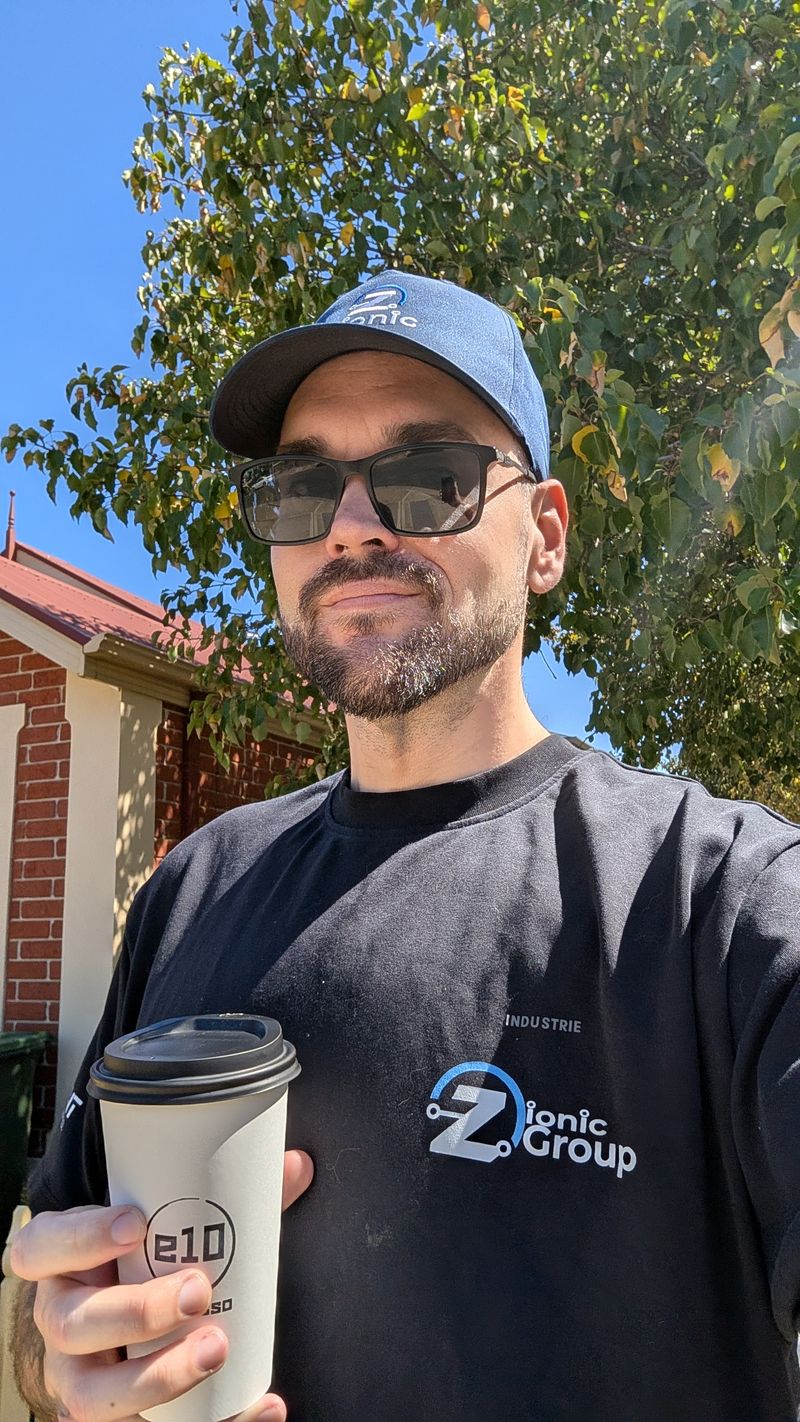
Daniel Bryant
Founder & CEO Daniel Bryant brings steelworks experience, agency recruitment and founder-led hiring across industrial manufacturing and commercial trades.
Meet Daniel