What Changes the Value of a Controls Role
Controls and PLC engineers design, program, test and support the systems behind industrial equipment. Their work may cover PLC code, HMI or SCADA screens, instrumentation, drives, safety systems, commissioning and troubleshooting.
Two jobs with the same title can demand very different capability. A maintenance support role, a greenfield project and a shutdown assignment should not be compared as though they carry the same risk, travel or technical scope.
Questions to Ask Before Comparing Offers
Get clear answers on the work itself:
- Which PLC, HMI, SCADA and drive platforms are in use?
- Is the role design, programming, site commissioning, support, or a mix?
- What level of code ownership and review is expected?
- Which industries, locations, roster and travel arrangements apply?
- Who owns documentation, testing and handover?
- What training, safety induction and technical support are available?
Compare total conditions alongside the stated pay. Employment type, roster, overtime expectations, travel, accommodation and project duration can change the practical value of a role.
Build Evidence That Employers Can Read
Candidates should keep a concise project record. Include the platform, the system purpose, your contribution, testing completed and outcome. Avoid sharing proprietary code or client information. A hiring manager needs enough detail to distinguish hands-on experience from exposure.
For an early-career engineer, useful progression can include I/O checks, panel testing, controlled code changes, HMI work and supervised commissioning. More experienced engineers may broaden into architecture, functional design, safety-related systems, client communication and mentoring.
Hiring a Controls Engineer
Do not advertise for a generic “PLC engineer” when the job needs a particular platform, plant environment or commissioning background. Separate must-have experience from trainable skills. Confirm whether the person will support live production, deliver projects, or do both.
That precision gives candidates a fairer basis for salary discussion and gives your interview process a better chance of finding the right operator.
Need help turning controls scope into a hireable brief? Book a recruitment chat.
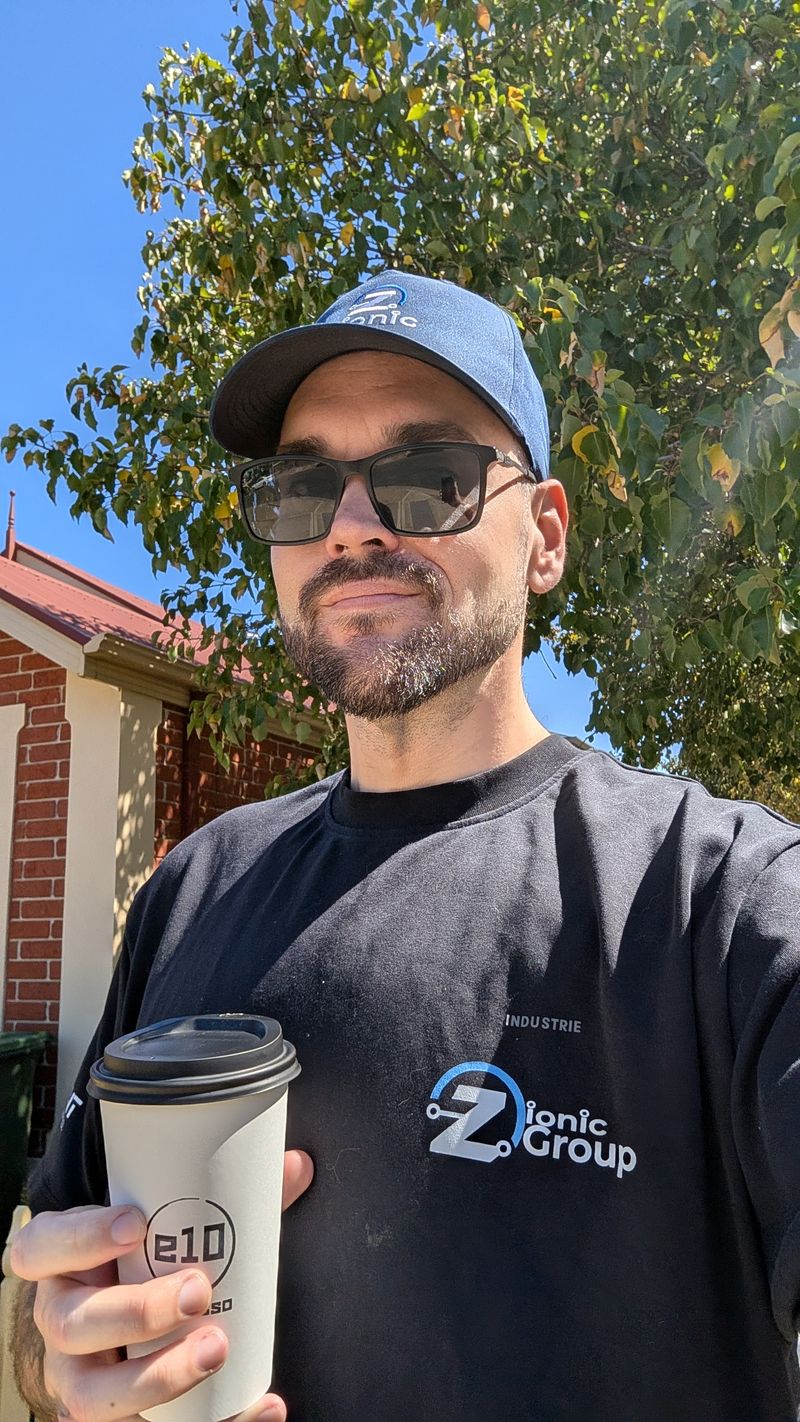
About Zionic Group
Founder & CEO Daniel Bryant brings steelworks experience, agency recruitment and founder-led hiring across industrial manufacturing and commercial trades.
Meet Daniel